

Bingo Win Cash: Win Real Cash
VENUS AG
I approached Bingo Win Cash: Win Real Cash as a quick-play board game rather than as a traditional evening bingo session. Its central appeal is easy to understand: complete bingo rounds, compete for cash rewards, and use the game without making purchases. That promise gives each card more weight than a purely casual version, because every decision feels connected to a possible payout.
After spending time with it, my view is fairly balanced. The game is accessible enough for someone who already understands bingo, and the free entry point makes it easy to try. At the same time, the real-cash angle changes the mood. I found myself paying closer attention to pacing, reward conditions, and the point at which a fun round starts to feel like a task. This is best treated as a light competitive game with a money-related incentive, not as a dependable way to earn income.
How the first sessions establish a reason to keep playing
The early goal is refreshingly clear: play a bingo round and work toward a winning result. There is no need to learn a complicated board layout or understand a long chain of character abilities. That simplicity is important for a game in the board category, because bingo works best when the player can focus on the called numbers and the shape of the card instead of managing a large collection of systems.
I also think the cash objective gives the opening sessions a sharper sense of purpose than ordinary free bingo apps. In a standard alternative, I might play several rounds simply because the animation and rhythm are relaxing. Here, the possibility of real cash encourages me to watch the board more carefully and think about whether another round is worth my time. That can make the first few sessions feel more directed.
Still, the opening appeal depends heavily on the player’s expectations. If you want a calm digital version of bingo with no concern about rewards, a conventional offline game or a social bingo app may feel more comfortable. If you enjoy short contests where the result matters, the cash-focused design is more likely to hold your attention.
Related News






One useful habit is to decide before starting how long I want to play. I would set aside a short session, play with full attention, and stop when that session ends rather than continuing automatically because a reward feels close. This keeps the game in the category of entertainment instead of allowing the reward loop to dictate my evening.
What progress feels like during play
The most noticeable progress signal is the movement from an active card toward a completed bingo result. Numbers being called, marked spaces accumulating, and the pattern becoming easier to read all create small moments of confirmation. These signals are more immediate than a distant account milestone, which is why bingo can remain engaging even when a player has only a few minutes available.
For me, the strongest part of this structure is the tension near completion. A card that is only beginning to fill does not feel especially meaningful, but once several possible lines are developing, every call becomes more important. That change in attention gives the game a natural rhythm without requiring a complicated progression tree.
Gallery
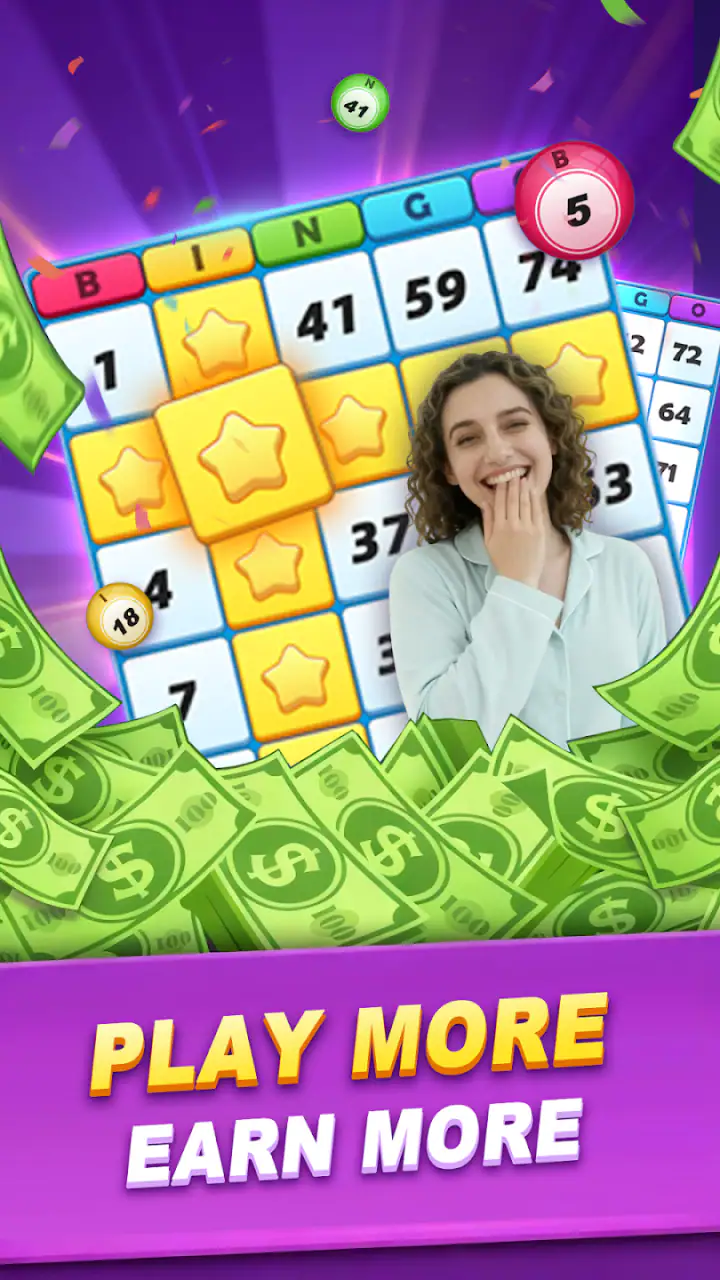
The trade-off is that progress is not entirely under my control. Bingo always contains an element of chance, and a careful player can still end a round without the desired result. That makes the game different from a puzzle in which practice reliably produces improvement. You can become faster at reading the card and more disciplined about attention, but you cannot turn a random draw into a guaranteed win.
This is where the cash objective can be both motivating and frustrating. A near-complete card creates a strong progress signal, yet it can also make an unsuccessful result feel more personal than it really is. I recommend judging a session by whether the rounds were enjoyable and manageable, not only by whether money was won.
Reading the difficulty curve instead of chasing every result
The difficulty in a bingo game does not usually come from complicated controls. It comes from maintaining concentration, recognizing useful calls quickly, and accepting that a promising card may not finish. That makes the difficulty curve feel less like a series of increasingly powerful opponents and more like a test of attention under changing circumstances.
In practical use, I found that fatigue is an important hidden difficulty. Early rounds can seem effortless because the novelty keeps me alert. After several rounds, however, it becomes easier to overlook a number or continue playing without the same level of focus. A short break can therefore be more helpful than simply starting another round immediately.
My best approach is to keep the device stable, reduce distractions, and avoid switching between other apps while a round is active. That sounds basic, but it matters more here than in a slow board game. When the reward is connected to a result, a missed call or rushed tap can feel especially costly, even though the game remains fundamentally chance-based.
Players looking for a steadily rising skill challenge may find the curve limited. Traditional strategy board games offer more control, planning, and long-term mastery. This title is better suited to someone who likes the tension of quick decisions inside a familiar format, with luck remaining a major part of the outcome.
Where the reward loop creates retention pressure
The promise of real cash is the obvious reason to return, and it is also the part I would approach most carefully. A reward can make a short game feel worthwhile, but it can encourage the thought that the next round might finally produce the result I want. That pressure is not the same as genuine enjoyment, and I think players should learn to separate the two.
The store presentation emphasizes playing without purchases, which is a meaningful advantage for people who do not want to spend money to enter a game. Even so, “free” should not be confused with guaranteed earnings. Time, attention, and repeated attempts still have value. I would never plan a household budget around winnings from this game, and I would treat any withdrawal as a possible bonus rather than an expected return.
Another practical question is whether a player can use the game responsibly around daily obligations. My answer is yes, but only with a clear stopping rule. For example, I might play during a short commute break or after finishing a routine task, then close it regardless of whether the last round was successful. I would avoid playing while tired, distracted, or emotionally determined to recover an unlucky result.
This is also why the game may not suit younger users, even aside from the content label. It is marked Mature 17+, and the cash-oriented design requires a level of judgment about risk, time, and expectations. I would not recommend handing it to a child simply because bingo itself appears simple.
Cash expectations and everyday use
The most important question for many readers is whether the game is useful as an earning tool. In my opinion, it should not be viewed that way. Its format can offer the possibility of withdrawing real money, but the outcome of a bingo round is not a predictable wage. Anyone installing it should be comfortable with the idea that entertainment comes first and any reward is uncertain.
I would also check the withdrawal instructions carefully before investing much time. Pay attention to requirements, available methods, and whether a balance must reach a particular threshold. Those details affect the practical value of a reward far more than the headline promise. I would complete that check early, not after spending weeks building expectations.
A realistic use case is a player who enjoys bingo and wants a more goal-driven version for occasional short sessions. Imagine finishing dinner, having ten spare minutes, and choosing a round instead of opening a conventional puzzle. The game provides a focused activity with a possible cash outcome, but the player can still keep the session contained. That is a sensible role for it.
A less suitable use case is someone searching for reliable side income. The random nature of bingo, the need to spend time playing, and the emotional pull of chasing a result make it a poor substitute for paid work. For that person, a free strategy game without cash rewards may actually be healthier because the goal is clearer and less financially loaded.
How it compares with ordinary bingo and other board games
Compared with paper bingo or a family bingo set, this game is more convenient and more individually focused. There is no need to gather a group, prepare cards, or organize a caller. The possible cash reward also adds tension that a household game normally does not have. The cost of that convenience is that the social atmosphere may be weaker, depending on what the player expects from bingo.
Compared with free-to-play bingo games built around decorations, collections, or relaxed progression, this one places more emphasis on the result of the round. That can make it feel more purposeful, but it may also make losses harder to shrug off. A decorative bingo game is often better for unwinding; this title is better when I want a compact contest with a tangible objective.
Compared with strategy board games, it offers less room for deliberate planning. My choices are mainly about attention, timing, and deciding when to stop rather than building a long-term tactical position. Players who want deep decision-making should choose a chess, tactics, or resource-management game instead. Players who prefer recognizable rules and quick rounds may appreciate the lower learning curve here.
The no-purchase entry point is another meaningful distinction. It lowers the barrier to trying the game, but it does not remove the need to evaluate whether the time spent is worthwhile. I see that as a fair trade-off: the player can explore the format without committing money, while still needing realistic expectations about the reward side.
Who will get the most from it
I think the best audience is adults who already enjoy bingo, like short sessions, and are comfortable with chance affecting the result. The game is also a reasonable fit for people who want a board-style activity that is easier to start than a complex strategy title. Its free price makes experimentation simple, and the mature age marking gives a clear signal that it is not intended as a family game for children.
It is less suitable for players who dislike reward pressure, become frustrated by losing after coming close, or need every minute of play to produce predictable progress. It is also not my recommendation for anyone who tends to keep playing solely because a win feels overdue. Random outcomes do not become more favorable just because a previous round was unlucky.
The developer is VENUS AG, and the game currently has a 4.4 average from around 1.2 thousand ratings, with more than 100 thousand installs. Those figures suggest that the concept has attracted a meaningful audience, but they do not replace personal judgment. A popular cash-oriented game can still be a poor fit for someone who wants a quiet, purely skill-based board experience.
Practical details that affect the decision
The game is free and supports devices running Android 6.0 or later. Its current version is 1.0.3, so I would keep the app updated through the normal store process rather than relying on an old installation. That is especially sensible for a game involving accounts, rewards, and withdrawals, where an outdated build may provide a less smooth experience.
The release date is Apr 17, 2026, and the content rating is Mature 17+. I would take both details seriously when deciding whether it belongs on a shared family device. The age rating is not just a label to skip past: the real-cash focus changes how responsibly the game should be used.
Before committing to regular play, I would make three checks. First, I would understand how a winning balance becomes withdrawable. Second, I would confirm that the device and operating system handle the game comfortably. Third, I would decide on a personal time limit. These steps are more valuable than downloading immediately and forming expectations from the reward language alone.
My progression verdict
As a progression-driven bingo game, this title succeeds when the player wants direct goals, visible card progress, and the added tension of a possible cash result. Its strongest loop is the simple movement from a fresh card to a near-complete pattern, followed by the decision to try another round. That clarity makes it easy to understand and easy to fit into a short break.
Its weaker side is the lack of dependable control over progress. Luck remains central, and the cash objective can turn an ordinary loss into a reason to continue when stopping would be wiser. I would not describe that as a flaw unique to this game, but it is a real trade-off that should shape how it is used.
Overall, I would recommend Bingo Win Cash: Win Real Cash to an adult bingo fan who wants free access, quick rounds, and a chance at real rewards without treating those rewards as income. I would skip it in favor of a conventional board game if I wanted deeper strategy, social play, or a completely pressure-free experience. Used with a time limit and realistic expectations, it can be an entertaining change from ordinary bingo; used as a promise of dependable earnings, it is likely to disappoint.
FAQs for Bingo Win Cash: Win Real Cash
What is Bingo Win Cash: Win Real Cash?
Bingo Win Cash: Win Real Cash is a mobile bingo game built around quick rounds, number matching, and cash-prize competitions. After installing it, players can usually browse available rooms or tournaments, purchase or use entries where applicable, and compete for rewards based on the game’s rules. Availability, prizes, and features may vary by country, device, and local regulations.
Can you really win real money with Bingo Win Cash?
The app promotes opportunities to earn cash or other rewards, but winnings are not guaranteed. Results generally depend on gameplay performance, competition, eligibility, and the specific contest terms. Before depositing money or entering a paid round, users should carefully review the prize structure, entry fees, withdrawal requirements, and any restrictions that apply to their account or location.
Is Bingo Win Cash: Win Real Cash free to download and play?
The application may be free to download, but that does not necessarily mean every feature is free. Some competitions can require entry fees, in-app purchases, or virtual currency, while other modes may offer free participation with different prize limits. Check the current store listing and in-app pricing before playing, especially if payment details are requested.
How do withdrawals work in Bingo Win Cash?
Withdrawal methods and minimum payout thresholds can differ depending on the user’s region and the version of the app. Players may need to verify their identity, meet gameplay or balance requirements, and use a supported payment service before requesting a payout. Processing times, fees, and eligibility rules should be confirmed inside the app before making a deposit.
Is Bingo Win Cash: Win Real Cash safe for children?
Because the app involves competitions and may include real-money entries or rewards, it is generally more suitable for adults than children. Users should check the official age rating, terms of service, privacy policy, and local laws before installing it. Parents should also review payment settings and device restrictions to prevent unauthorized purchases or access to cash-based features.
Pros
- Simple bingo gameplay that is easy for beginners to understand.
- Quick rounds make it convenient for short gaming sessions.
- Bright visuals and lively effects keep matches entertaining.
- Multiple game modes can add variety beyond standard bingo rounds.
- Progress rewards may encourage regular play and continued engagement.
Cons
- Cash-out eligibility may depend on regional rules and account verification.
- Winning real money can require considerable time and consistent play.
- Ads and promotional offers may interrupt the overall gaming experience.
- Some features or rewards may be limited without in-app purchases.
- Results can feel heavily dependent on luck rather than player skill.


